Invisalign or braces? How a digital scan changes the first conversation
The scan comes before any sales pitch, and that order helps you decide.
October 17, 2026 · 4 min read
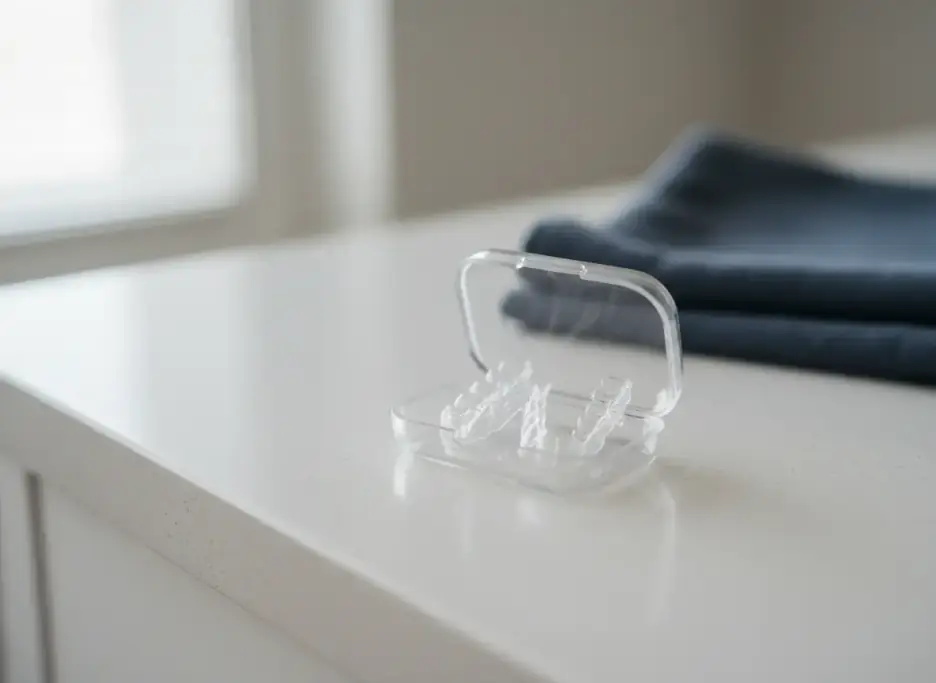
Ask ten adults why they never straightened their teeth and you'll hear the same few answers. They assumed braces meant two years of metal. They figured aligners were only for tiny fixes. Or they couldn't picture the result, so the whole decision felt like a leap in the dark. A good first conversation deals with that last problem first, and a digital scan is a big part of how.
What an iTero scan is
Superior Smiles Dentistry uses an iTero digital scanner. Instead of biting into a tray of putty, you sit back while a small wand passes over your teeth and builds a three-dimensional model on the chairside screen. Most people find that easier than traditional impressions, especially anyone with a strong gag reflex. The model is a record of how your teeth sit today, and everything else in the conversation is measured against it.
Because it's digital, you and the dentist look at the same image together. You can turn it, zoom in on a rotated tooth, and see where a gap or a crowded spot really is. That beats a verbal description like 'a little crowding on the bottom', which means something different to everyone who hears it.
The outcome simulator
The scanner at Superior Smiles works with the Invisalign outcome simulator, which shows a projected result for your teeth on that same screen. Think of it as a preview, not a promise. Real teeth move at their own pace, and what you see is a picture of the goal rather than a guarantee of how treatment will go. Even so, it changes the talk. Instead of asking whether you can imagine straighter teeth, the question becomes whether this particular picture is the one you want.
That makes it easier to speak up. If you want the front teeth to sit a certain way, or you'd rather accept one small imperfection than lengthen treatment, you can say so while looking at the preview. A conversation about your own teeth on a screen is far more useful than a brochure.
Aligners or braces: how the choice really gets made
There isn't one right answer for everybody, and Dr. Kaur will tell you whether aligners suit your case. In general, clear aligners are commonly used for crowding, gaps and some mild bite concerns in adults and teens. Certain tooth movements are harder to predict with aligners, and in those cases braces may be the better tool. If your teeth need something other than aligners, a good dentist says so rather than selling you aligners anyway. The scan and an exam are what let the dentist tell you which side of that line you fall on.
- How far each tooth needs to move, and in which direction.
- Your bite, meaning how the top and bottom teeth meet.
- Whether you can realistically wear aligners for the hours they require.
- Your daily life: sports, instruments, presentations, snacking habits.
- How you feel about visible hardware on your teeth.
What aligners ask of you
The trade for removable trays is discipline. The usual guidance is to wear them about 22 hours a day, taking them out only to eat and to brush. Leave them in the case too often and treatment slows down or drifts off course. So the honest question isn't just which option looks better. It's which one you'll actually follow through on for months.
Day to day it comes down to small habits. Rinse the trays, brush before putting them back in so food isn't trapped against your teeth, and drink only water while they're in. Keep the case in your bag, because a tray wrapped in a napkin at a restaurant is how a lot of them end up in the trash.
Questions for your consult
- Am I a good candidate for aligners, and what would change that answer?
- Can I see the projected outcome for my own teeth?
- How many visits and check-ins should I plan for?
- What happens if I fall behind on wearing them?
- What will I do after treatment to hold the result?
One more thing worth raising at that consult: teeth have a habit of creeping back toward where they started, so retainers are commonly recommended once active treatment ends. People skip this step more than any other, and it's the one that protects the work you just did. Ask about it at the beginning, not the end. Knowing the full plan up front, including what comes after the last aligner, keeps the decision honest.
Paying for it
Cost is its own conversation, and it happens after the plan, not before. Most insurances are accepted at Superior Smiles, and financing is available through Cherry. We don't list prices online, since they depend on your case. Call (661) 454-7600 with your plan details and the front desk can walk you through the next step. If you want to look first, the Invisalign page lays out how the process starts, and the contact page is there if you'd rather send a message.
Whichever way you lean, book the scan and the conversation before you decide. Looking at your own teeth on the screen, and a projected picture of where they could end up, will tell you more in ten minutes than another month of wondering.
Superior Smiles Dentistry, (661) 454-7600
Call (661) 454-7600More articles
Haven't seen a dentist in years? How to get back in the chair without the dread
A long gap is common, and a good first visit has no lecture in it.
Zoom whitening or store-bought strips: what actually changes the colour
The idea behind both is similar. The difference is control, speed and who protects your gums.